
How to Search Guilford County Court Records
Most Guilford County court records are state court records. They live in the North Carolina court system, not a county-only database. The main public tool is the North Carolina eCourts Portal. It lets you search by case number, party name, business name, or attorney where the data is loaded. For hearings, the court date search answers the question "when is court?" For tickets, the citation lookup handles traffic and infraction payments.
Before you start, pull together what you know. A case number is best. A full name works too. The portal is statewide, so pick Guilford County to skip matches from other counties. Names can show middle initials, suffixes, or older married names, so try a few spellings.
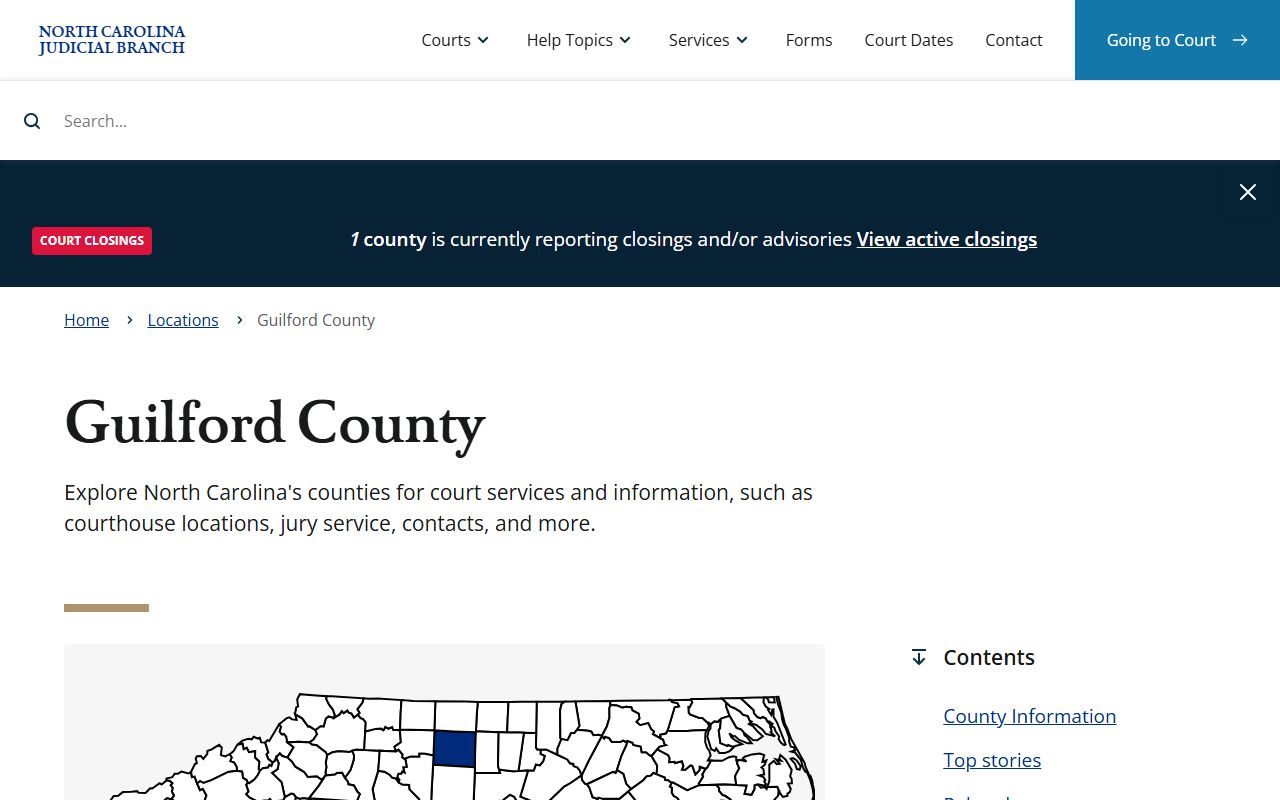
The North Carolina Judicial Branch keeps a county landing page for Guilford that ties these tools together.
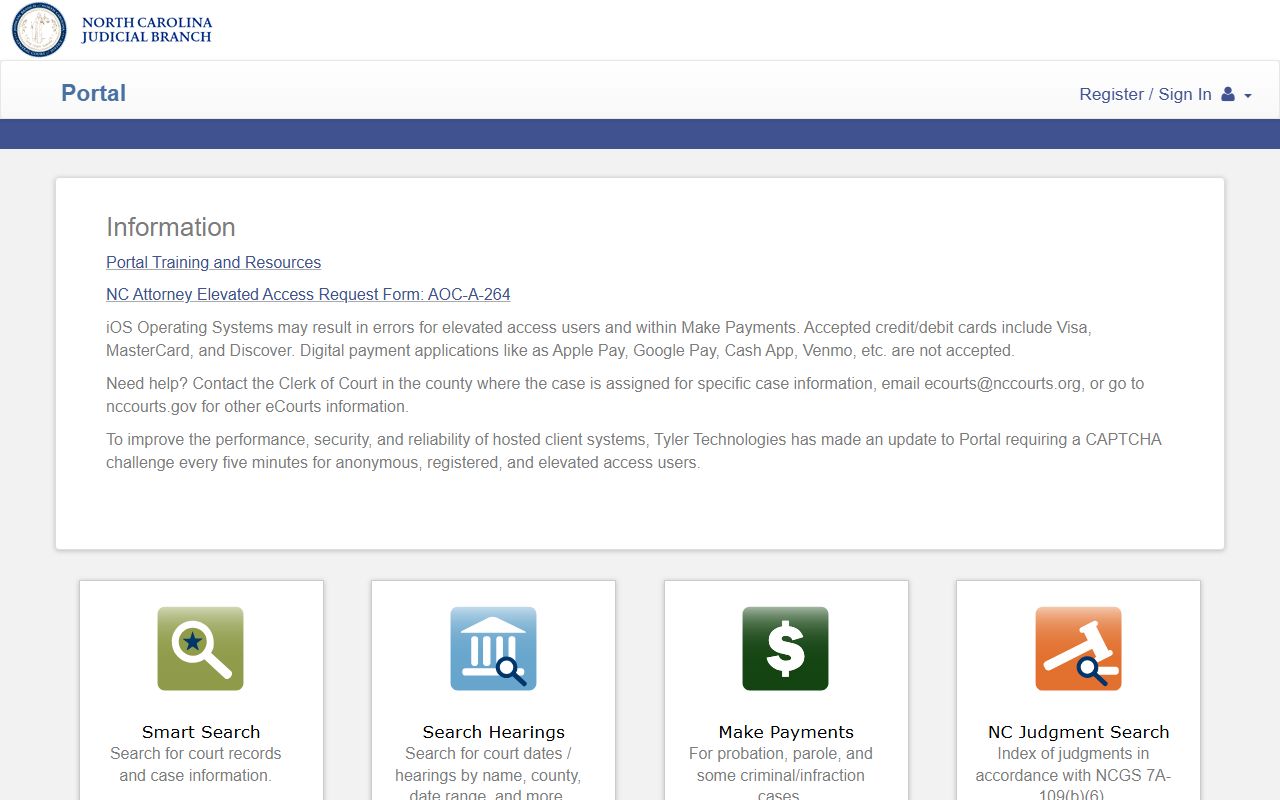
Use these steps for a basic Guilford County court records search:
- Open the eCourts Portal and accept the public access terms.
- Enter a party name or the exact case number from your notice.
- Set the location to Guilford County to narrow results.
- Filter by case type and filing date if the list is long.
- Open the case to read docket entries, hearings, and party names.
- Ask the Clerk of Superior Court for a certified copy when you need one for legal use.
Note: the portal is a public view, not a certified record, so confirm deadlines and hearings with the clerk before you rely on them.
The Guilford County Judicial System
North Carolina runs a single, unified court system. Guilford County belongs to Judicial District 24 and Prosecutorial District 24. The courts you meet most are Superior Court and District Court. Superior Court is the higher trial court. It hears felonies, larger civil claims, special proceedings, and some appeals from District Court. District Court hears misdemeanors, traffic and infraction cases, domestic matters, juvenile cases, and civil claims under set limits.
Small claims start in front of a magistrate, not a separate elected justice court. Estates are handled by the clerk, not a stand-alone probate judge. Appeals from the trial courts move up to the North Carolina Court of Appeals, and the Supreme Court of North Carolina sits at the top.
Case flow: Magistrate / Small Claims › District Court › Superior Court › Court of Appeals › Supreme Court of North Carolina
| Court | Jurisdiction | Case Types |
|---|---|---|
| Supreme Court of North Carolina | Highest state appeal | Discretionary review, certain direct appeals |
| North Carolina Court of Appeals | Intermediate appeal | Most appeals from trial courts and agencies |
| Superior Court | Higher trial court | Felonies, larger civil cases, special proceedings |
| District Court | Lower trial court | Misdemeanors, traffic, domestic, juvenile, small civil |
| Small Claims Magistrate | Summary matters | Small money claims, summary ejectment |
Local calendars can split by courthouse, case type, and judge. The Judicial Branch keeps a county page for Guilford that controls the current calendars, forms, and local rules.
Guilford County Courthouses
Guilford County is one of the few counties with two official state court locations. The Greensboro courthouse is the main downtown facility for the county seat. The High Point courthouse serves the High Point side of the county. Both run state courts. Do not assume your case is in Greensboro just because it is the county seat. Check your notice or the court date search first.
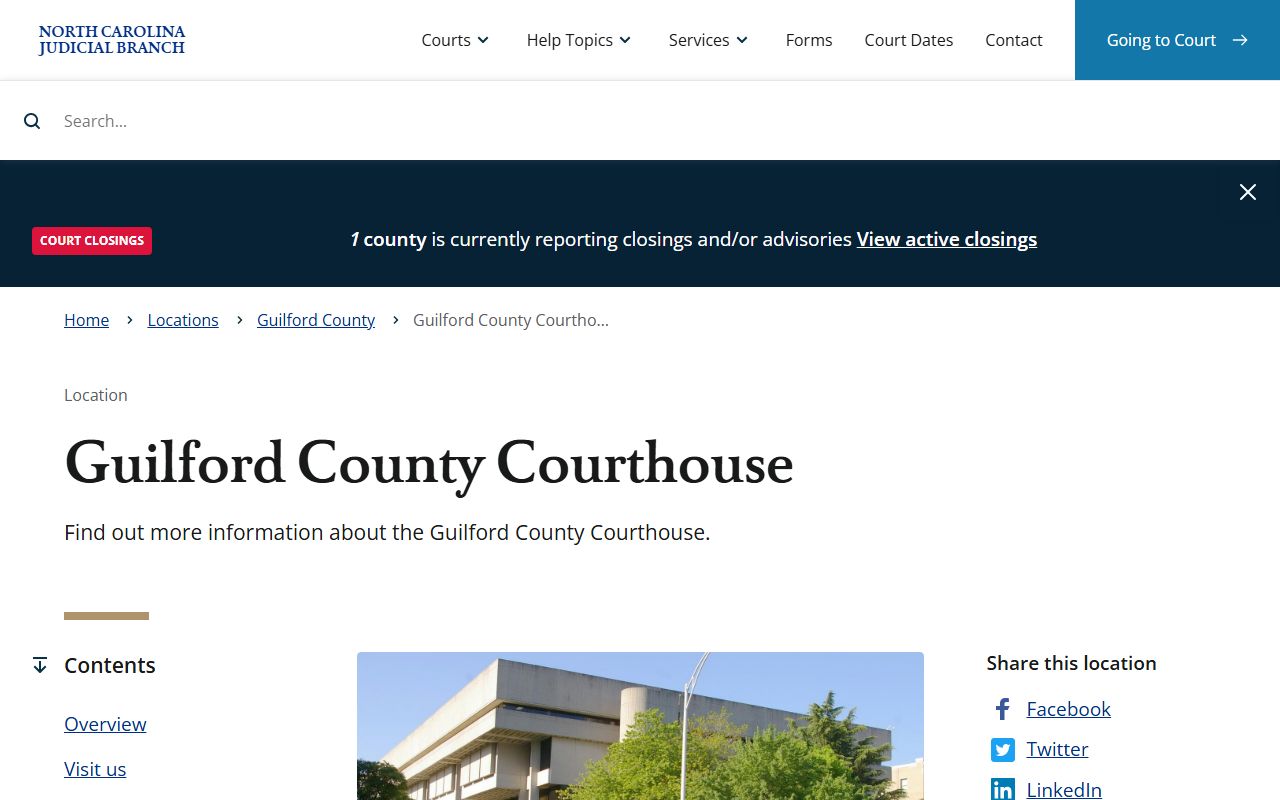
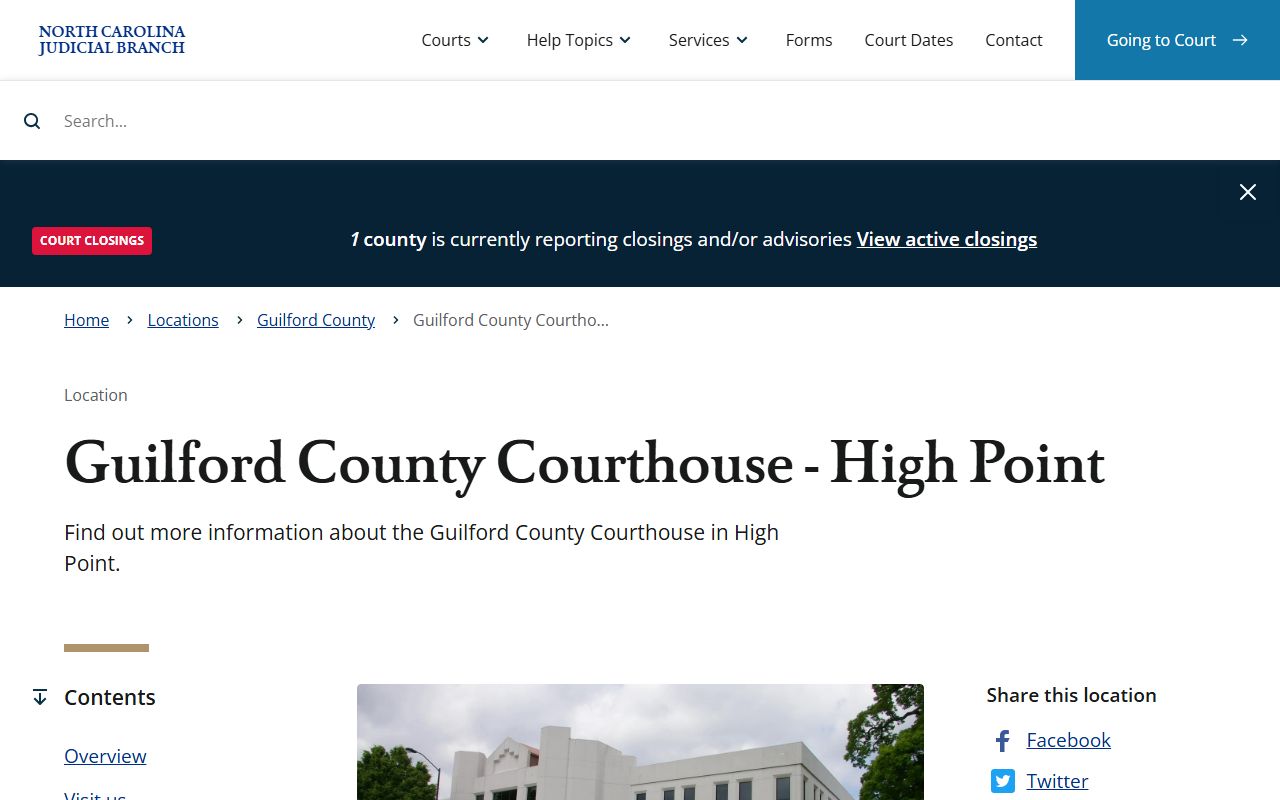
The Greensboro courthouse sits downtown near South Eugene Street and West Washington Street, close to county offices and parking decks. The High Point courthouse is near central High Point streets. Each location has its own official Judicial Branch page with contact links.
Guilford County Courthouse
201 South Eugene Street
Greensboro, NC 27401
Open weekdays during standard courthouse hours
Guilford County Courthouse - High Point
505 East Green Drive
High Point, NC 27260
Open weekdays during standard courthouse hours
Types of Court Records Available in Guilford County
Guilford County court records cover many case types. Each type can sit in a different division and follow different access rules. Civil and most criminal files are open to the public. Some files are sealed, confidential, or redacted to protect children, victims, or private data.
These are the main record types you can find:
- Criminal records - arrest warrants, charges, pleas, verdicts, judgments, and probation terms.
- Civil records - contract suits, torts, property disputes, collections, and name changes.
- Family and divorce records - divorce judgments, custody, child support, and protective orders.
- Probate and estate records - wills, letters, inventories, and guardianship files held by the clerk.
- Traffic records - citations, court dates, dispositions, fines, and costs.
- Juvenile records - delinquency and child welfare files, which are largely confidential.
Felony cases are generally Superior Court matters. Misdemeanors, infractions, and traffic cases are commonly District Court matters. For deeds, plats, and recorded marriage records, the Register of Deeds is the right office, not the court clerk.
What Guilford County Court Records Show
A public case view shows the basic facts of a case. It names the court, the parties, the filings, and the outcome. It does not show sealed documents or protected personal data. Social Security numbers, financial account numbers, juvenile names, and victim details are kept out of public view.
Here is what a typical Guilford County court record shows:
| Field | What It Shows |
|---|---|
| Case Number | Year, case-type code, and sequence that identify the file |
| Location | County and courthouse, such as Greensboro or High Point |
| Parties | Plaintiff, defendant, petitioner, respondent, or estate representative |
| Filing Date | Date the case was opened or a document was filed |
| Charges / Cause | The charge in a criminal case or the claim in a civil case |
| Disposition | Final outcome, such as judgment, dismissal, plea, or verdict |
The eCourts Portal uses a set of search fields to find these records. Knowing the fields helps you narrow a search fast.
| Field Label | Type | Required | Notes / Format |
|---|---|---|---|
| Smart Search | Text | No | Case number, party name, business name, or attorney |
| Party name | Text | No | Last and first name is the practical minimum |
| Location / county | Dropdown | No | Select Guilford to avoid statewide matches |
| Case category | Dropdown | No | Civil, criminal, infraction, domestic, estate |
| Date range | Date picker | No | Narrows filing or hearing dates |
Public Access Laws for Guilford County Court Records
North Carolina treats most government records as open. Court files are generally public unless a law seals them or protects the data. The state Public Records Act sets the base rule, and court statutes and rules layer on top. A record can be public in one law but restricted by a more specific one. Fees must tie to copies, certified copies, or set court costs, not to a charge just for looking.
Key Statutes:
N.C. Gen. Stat. § 132-1 - defines public records broadly as material made or received in public business.
N.C. Gen. Stat. § 132-6 - gives the right to inspect and copy public records at reasonable times.
N.C. Gen. Stat. § 132-6.2 - sets how agencies may charge for copies of public records.
N.C. Gen. Stat. Chapter 7A - sets up the trial courts, clerks, and magistrates as a state system.
For county-agency records under Chapter 132, you can ask the agency for the legal basis of a denial and seek court relief if access is wrongly refused. For court files, the clerk and judge control access, and a sealed file usually needs a motion or court order to open.
Records That Are Restricted or Confidential
Not every file is open. Some are closed by statute. Juvenile delinquency and child welfare records are limited under Chapter 7B, Article 30. Adoption records are sealed under G.S. 48-9-102. Mental health and commitment records are confidential under Chapter 122C, Article 5.
Expunged criminal records are removed from public access under Chapter 15A, Article 5A. Search warrants can be sealed during an active case. To view a sealed file, a party normally files a motion and asks a judge to unseal it. Expunction does not erase every private copy from every outside database, so a record may still appear on unofficial sites.
Specialty Courts in Guilford County
North Carolina supports problem-solving courts through the Judicial Branch. These programs aim to fix the cause of repeat cases instead of just punishing them. The state treatment courts page describes the statewide model. Local availability and entry rules are set by the local team and the prosecutor.
Two common types show up across the state. Adult drug treatment or recovery courts target defendants whose offenses tie to substance use. They use testing, supervision, judge review, and rewards or sanctions. Programs often run a year or more. A veterans treatment model links eligible veterans with court supervision, treatment, and peer mentors. Family and domestic cases may route through mediation, parenting education, and custody mediation.
Note: confirm the current Guilford County program names and entry rules with the Judicial Branch or the local district before you count on a spot.
Guilford County Sheriff and Jail
The Guilford County Sheriff's Office runs detention services and public search tools. Its Police-to-Citizen system posts an inmate search, recent arrests, and wanted persons. The county runs detention facilities on the Greensboro and High Point sides. Jail data moves fast, so call the detention center for time-sensitive bond, release, or transport questions.
For the full roster and how to read a booking record, see the page on Guilford County inmate records. To check open warrants, use the page on warrant records. For people sent to state prison, the inmate search points to the state offender locator instead of the county jail roster.
Marriage, Divorce, and Probate Records
Three record types confuse people the most. Marriage licenses come from the Register of Deeds. Divorce is a court case, so divorce judgments sit with the court and clerk. Probate, meaning estates, is run by the clerk, not a separate probate judge. See the page on marriage and divorce records and the page on probate records for full steps.
- Testator
- A person who makes a will.
- Executor
- The person named in a will to settle the estate.
- Intestate
- Dying without a valid will, so state law decides who inherits.
- Guardian
- A person the court names to care for someone who cannot manage their own affairs.
Guilford County Court Records Fees
Court fees in North Carolina are set by the state, not by the county. Copy fees, certified copy fees, and filing fees come from the Administrative Office of the Courts fee schedule and from statute. The clerk applies those set amounts. Marriage license and recorded vital record fees are charged by the Register of Deeds under its own schedule.
Because exact dollar amounts change, the table below points to the official source for each fee instead of quoting a figure that may be out of date.
| Item | Official Source |
|---|---|
| Court copies and certifications | AOC court fee schedule applied by the clerk |
| Civil filings, estates, special proceedings | AOC fee schedule plus local clerk instructions |
| Marriage license | Guilford County Register of Deeds |
| Certified vital records | Guilford County Register of Deeds |
| Online portal documents | Availability varies by case type and access rules |
Note: do not assume every document on the portal is free to download, because access depends on the case type and document rules.
How to Interpret Guilford County Court Records
A court record uses short codes and legal terms. Reading them right matters. A charge is not a conviction. An arrest is not proof of guilt. A "disposed" case can mean a judgment, a dismissal, a plea, or a verdict, so the disposition text controls.
Two codes confuse people often. "FTA" means failure to appear, which can add court action and license problems. "OFA" means order for arrest, which a judge can issue after a missed date. Always separate arrest, charge, conviction, sentence, and custody status, because they are different stages of a case.
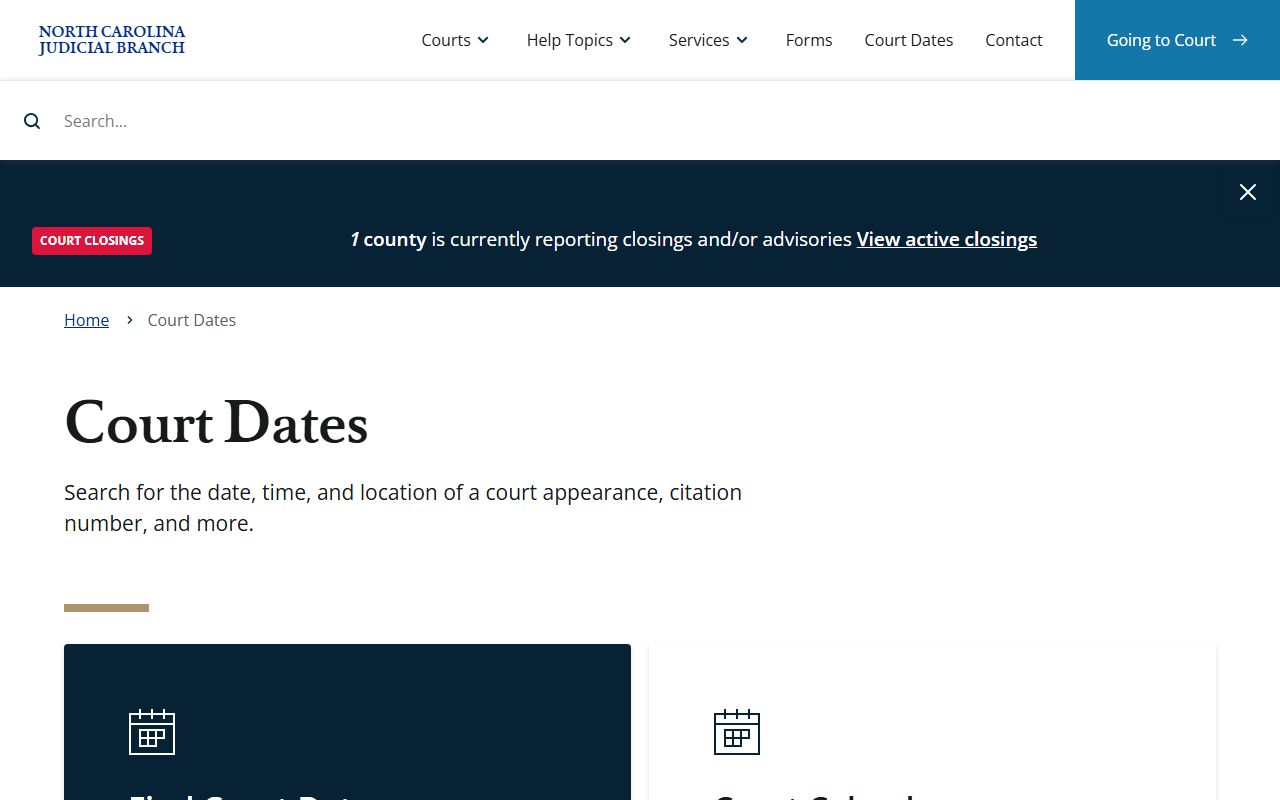
If a search returns nothing, check spelling, try the case number, drop extra filters, and confirm the county. Older, sealed, or non-converted files may not show online at all.
Accuracy and Record Limitations
Online court data can lag behind the clerk's official file. A portal view is a copy, not the source. Bond status, hearing dates, and dispositions can change before the website updates. Use the clerk for anything tied to a deadline.
Note: Always confirm hearings, balances, and certified records with the Clerk of Superior Court before you rely on an online result for a legal step.
Self-Help and Legal Aid in Guilford County
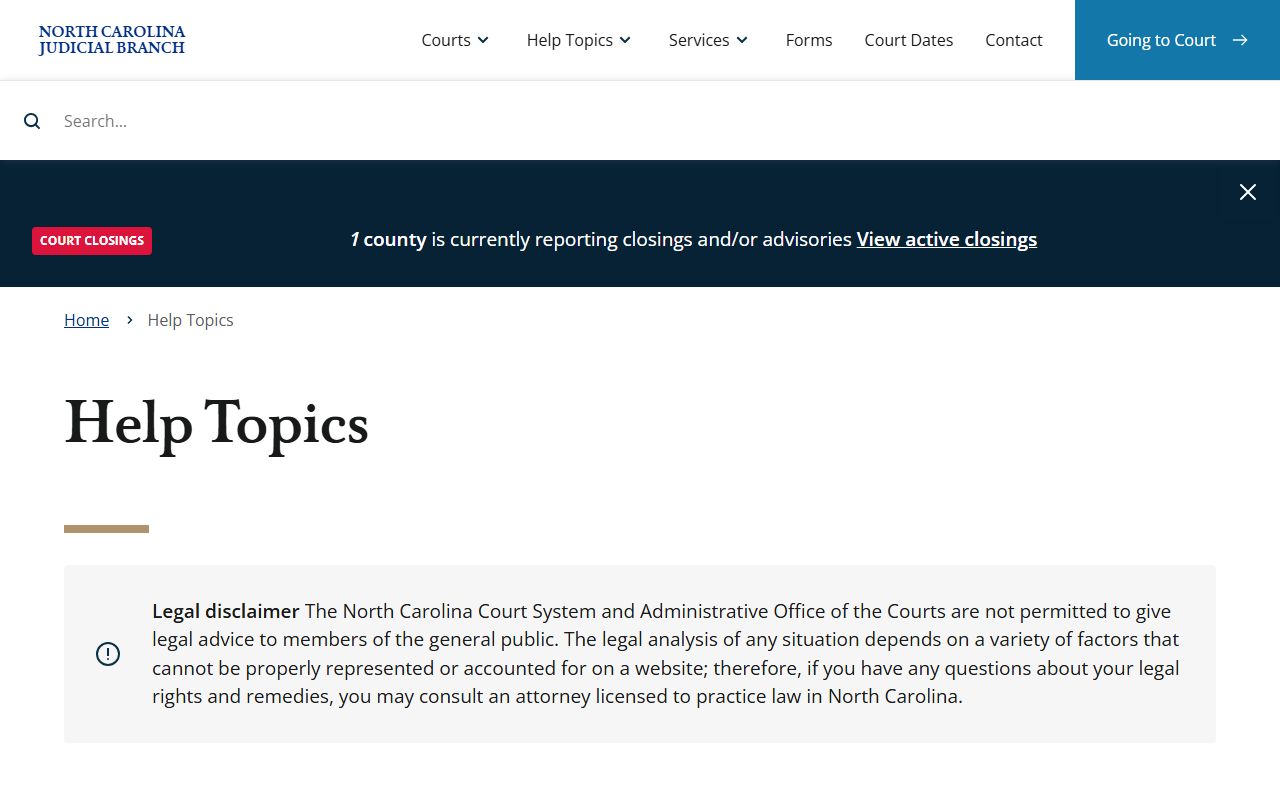
People without a lawyer still have options. The Judicial Branch keeps a help topics library and a statewide forms library. Clerks can explain filing steps, fees, and where a file sits, but they cannot give legal advice or pick your claims.
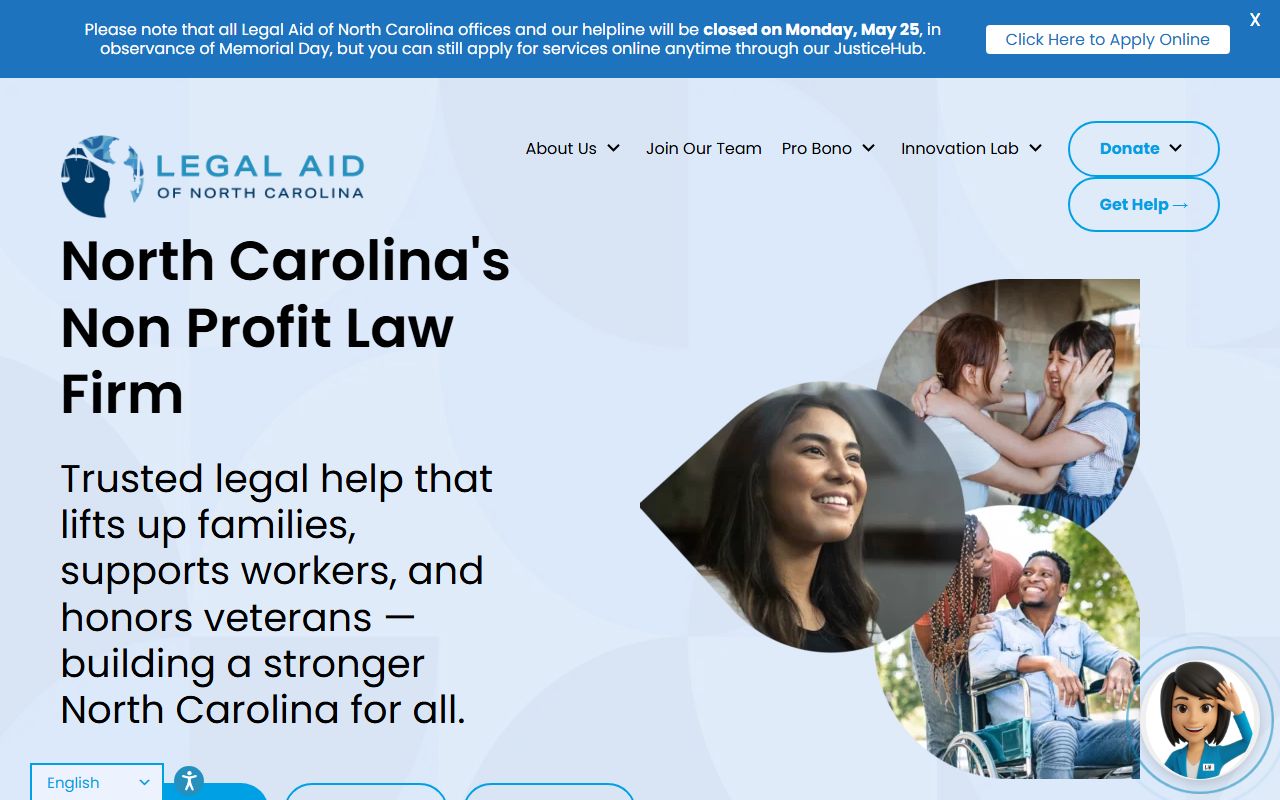
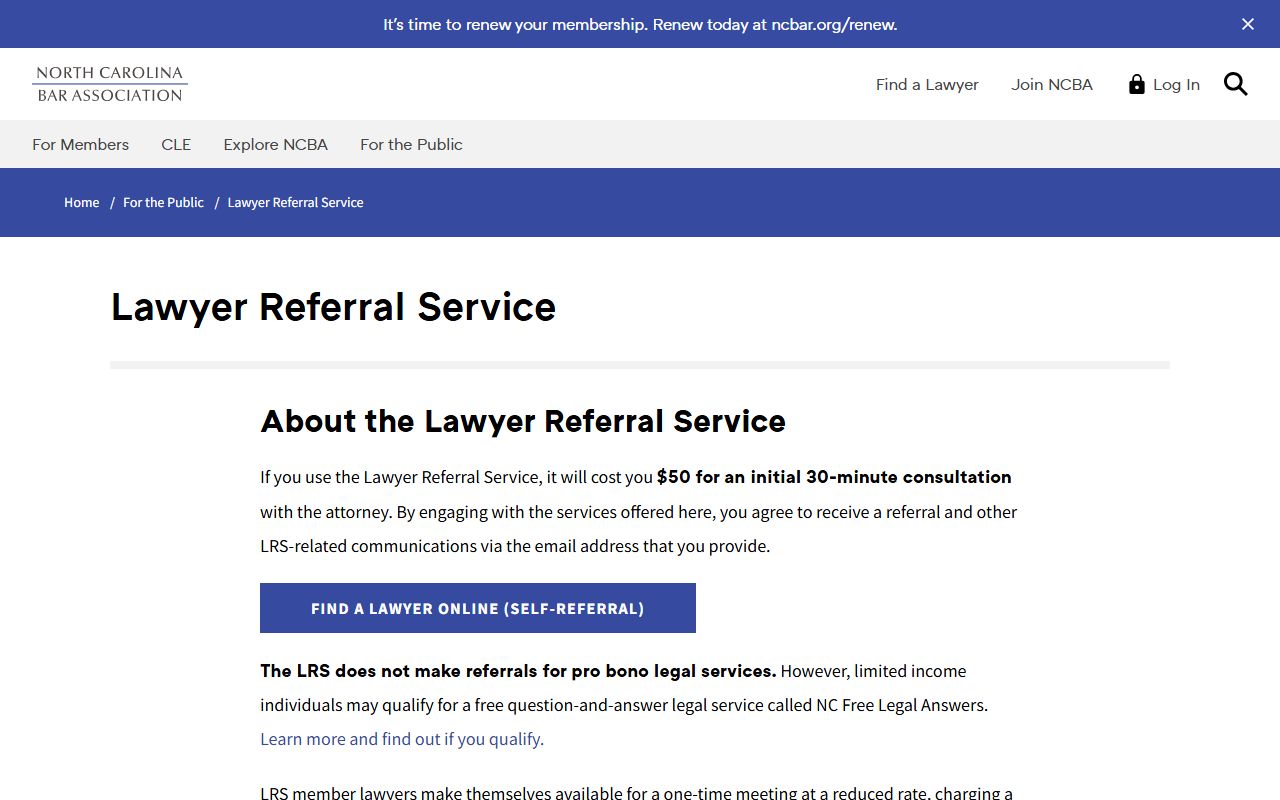
Legal Aid may help with housing, domestic violence, benefits, expunction clinics, and consumer issues for those who qualify. For a private attorney, the bar association keeps a referral tool.
Criminal defendants who cannot afford counsel should ask the court for an appointed lawyer and complete the indigency process. The Guilford County Public Defender represents eligible defendants after the court appoints counsel.
Federal Cases From Guilford County
Federal cases are not in the state portal. Guilford County sits in the U.S. District Court for the Middle District of North Carolina. Federal crimes, federal civil suits, and habeas matters are filed there. Bankruptcy goes to the U.S. Bankruptcy Court for the Middle District. Appeals go to the Fourth Circuit.
To read federal dockets, use PACER. It needs an account and may charge fees, though fee waivers exist. Do not expect every federal document to be free.
History of Guilford County Courts
Guilford County formed in the 18th century with Greensboro as its county seat. High Point later grew into a major city and gained its own courthouse. That two-courthouse setup still shapes how people find court dates, serve on juries, and request records today.
The county's court history tracks North Carolina's move to a unified court system. Older local courts and clerks once had more scattered roles. Now the Administrative Office of the Courts, Superior Court, District Court, clerks, magistrates, prosecutors, and public defenders all work under one statewide structure. The shift to eCourts and the online Portal moved many searches from paper indexes to a single state system.
Frequently Asked Questions
How do I search Guilford County court records online?
Start with the North Carolina eCourts Portal for public case information. Narrow by county, name, case number, or case type where the data is loaded. Use the court date search for hearings and the citation lookup for traffic payments. Certified copies still come from the Clerk of Superior Court.
Are these county records or state records?
They are North Carolina Judicial Branch records kept locally by the Clerk of Superior Court. The county provides the buildings and local context, but Superior Court, District Court, and the clerk all operate inside the state court system.
Where is the main courthouse?
The Greensboro courthouse is at 201 South Eugene Street, Greensboro, NC 27401. Guilford County also runs a High Point courthouse at 505 East Green Drive, High Point, NC 27260. Check your notice to see which one holds your case.
How do I find my court date?
Use the Judicial Branch court date search and pick Guilford County. If your paper notice shows a different date or room, call the clerk, because the official notice and court order control over an online summary.
More answers are on the Guilford County court records FAQ page.