
Guilford County Superior Court Overview
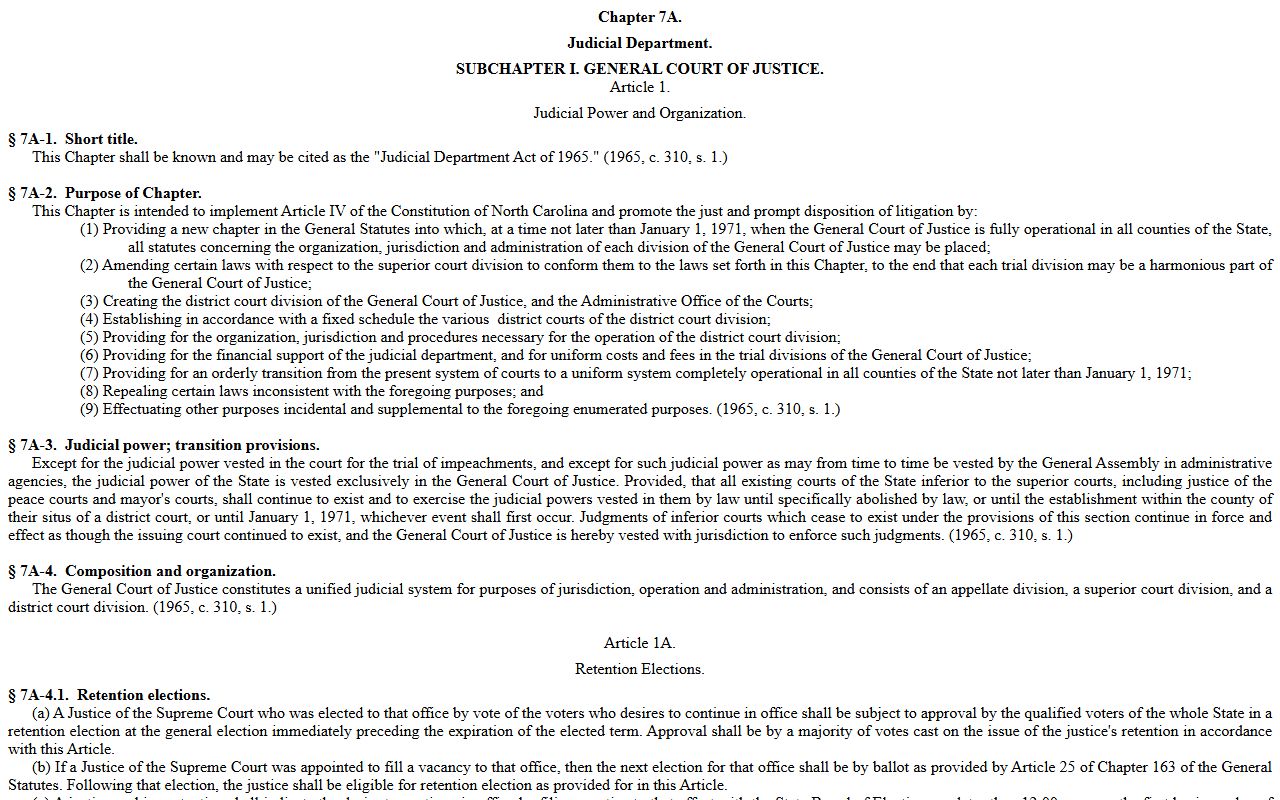
Superior Court is the higher of North Carolina's two trial courts. It hears felony criminal cases, civil claims above the District Court limit, special proceedings, and appeals from District Court. Major jury trials happen here. The court runs as part of the state Judicial Branch, set up under Chapter 7A of the General Statutes, which is why Guilford County court records are state court records.
Guilford County sits in Judicial District 24 and Prosecutorial District 24. The county holds Superior Court sessions in Greensboro and High Point. Calendars can split by courthouse, case type, and judge. The Judicial Branch county page is the controlling source for current sessions and local rules.
The unified system matters for how records work. Because Superior Court is a state court, its files follow state rules for access and certified copies, even though the building is in Guilford County. The county provides the courthouses and local context. The state sets the structure, the judges, and the clerks. That is why a Guilford County case search runs through the state court system rather than a county-only database.
Cases Heard in Guilford County Superior Court
Superior Court handles the heavier end of the trial docket. Some matters start there. Others arrive on appeal from District Court. The court also decides civil cases that pass the District Court money limit. These are the main case types you find in Superior Court.
- Felony criminal cases - serious charges tried with a jury when needed.
- Major civil claims - contract, injury, and property disputes above the District Court limit.
- Injunctions and special proceedings - court orders and clerk-related proceedings that reach a judge.
- Appeals from District Court - certain matters heard again at the higher level.
- Post-conviction and other motions - filings that follow a criminal judgment.
A felony charge in Superior Court is not proof of guilt. It marks a stage in the case. The disposition shows the real outcome, such as a plea, a verdict, or a dismissal. To read those fields, see the page on Guilford County court records.
Guilford County Superior Court Locations
North Carolina does not number its trial courts the way some states do. Instead, Guilford County holds court at two official state courthouse locations. The same clerk supports Superior Court and District Court at each site. The table lists the locations and where to find current office numbers.
| Court / Office | Address | Phone |
|---|---|---|
| Guilford County Courthouse - Greensboro | 201 South Eugene Street, Greensboro, NC 27401 | See official Judicial Branch location page |
| Guilford County Courthouse - High Point | 505 East Green Drive, High Point, NC 27260 | See official Judicial Branch location page |
| Clerk of Superior Court | At both courthouse locations above | See Guilford County Judicial Branch page |
Do not assume every Guilford County case is in Greensboro. The High Point courthouse hears matters assigned to that side of the county. Your court notice and the court date search tell you which location to use.
Superior Court vs District Court vs Small Claims
The three trial levels handle different work. Superior Court takes the most serious cases. District Court handles the high-volume everyday matters. Small claims start before a magistrate. The table compares them.
| Superior Court | District Court | Small Claims Magistrate | |
|---|---|---|---|
| Criminal | Felonies, major trials | Misdemeanors, infractions | Some magistrate criminal process |
| Civil | Larger civil claims | Civil within statutory limits | Small money claims |
| Family | Limited | Divorce, custody, support, protective orders | No |
| Other | Special proceedings, appeals from District Court | Juvenile, traffic, small claims appeals | Summary ejectment |
Most residents meet District Court first, through a traffic ticket or a misdemeanor. Felonies and big civil disputes move to Superior Court. For the records side of these cases, see the page on Guilford County court records.
How a Case Moves Through the Guilford County System
Cases follow a path from filing to judgment, and sometimes to appeal. Criminal and civil cases move in different ways, but both can climb from a trial court to the appellate courts.
Court ladder: Magistrate / Small Claims › District Court › Superior Court › North Carolina Court of Appeals › Supreme Court of North Carolina
Criminal flow: Arrest › Magistrate / First Appearance › Indictment or Information › Arraignment › Pretrial › Trial › Sentencing › Appeal
Civil flow: Complaint Filed › Answer › Discovery › Mediation › Trial › Judgment › Appeal
Civil, Family, and Criminal Work
Superior Court hears civil and criminal matters at the higher level. Felony prosecutions, large money claims, injunctions, and many special proceedings come before it. District Court carries most family and domestic work, such as divorce, custody, child support, and protective orders, along with misdemeanors and traffic cases.
Both courts use the same Guilford County courthouses and the same Clerk of Superior Court for filings and records. The clerk also acts on estates and special proceedings. For estate matters, see the page on Guilford County probate records, and for divorce files, see marriage and divorce records.
Jury trials run mainly in Superior Court for felonies and larger civil cases. A grand jury reviews felony charges and can return an indictment. District Court judges hear most cases without a jury, which is one reason it moves a higher volume. The two courts share staff and space but keep separate dockets.
Appeals From Guilford County Superior Court
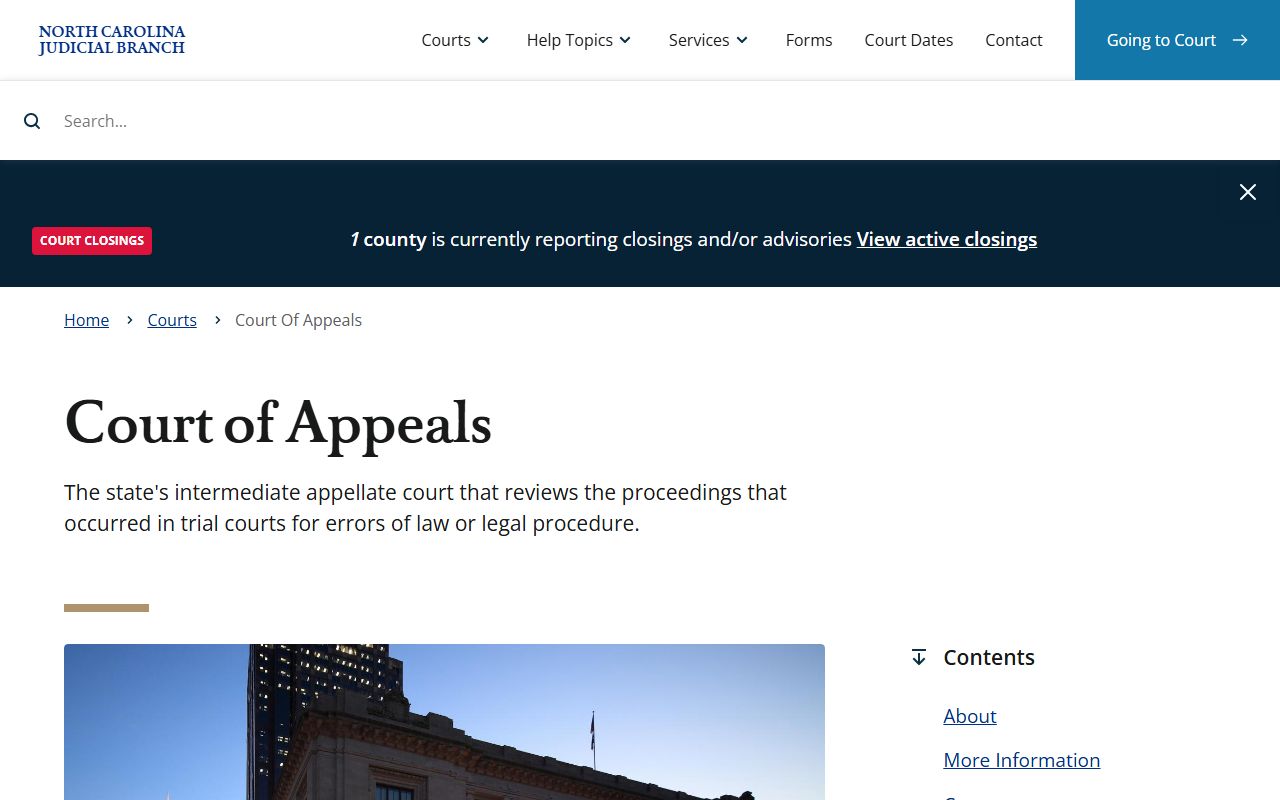
A Superior Court judgment can be appealed. Most appeals go first to the North Carolina Court of Appeals, the state's intermediate appellate court. It reviews appeals from the trial courts and from some agencies.
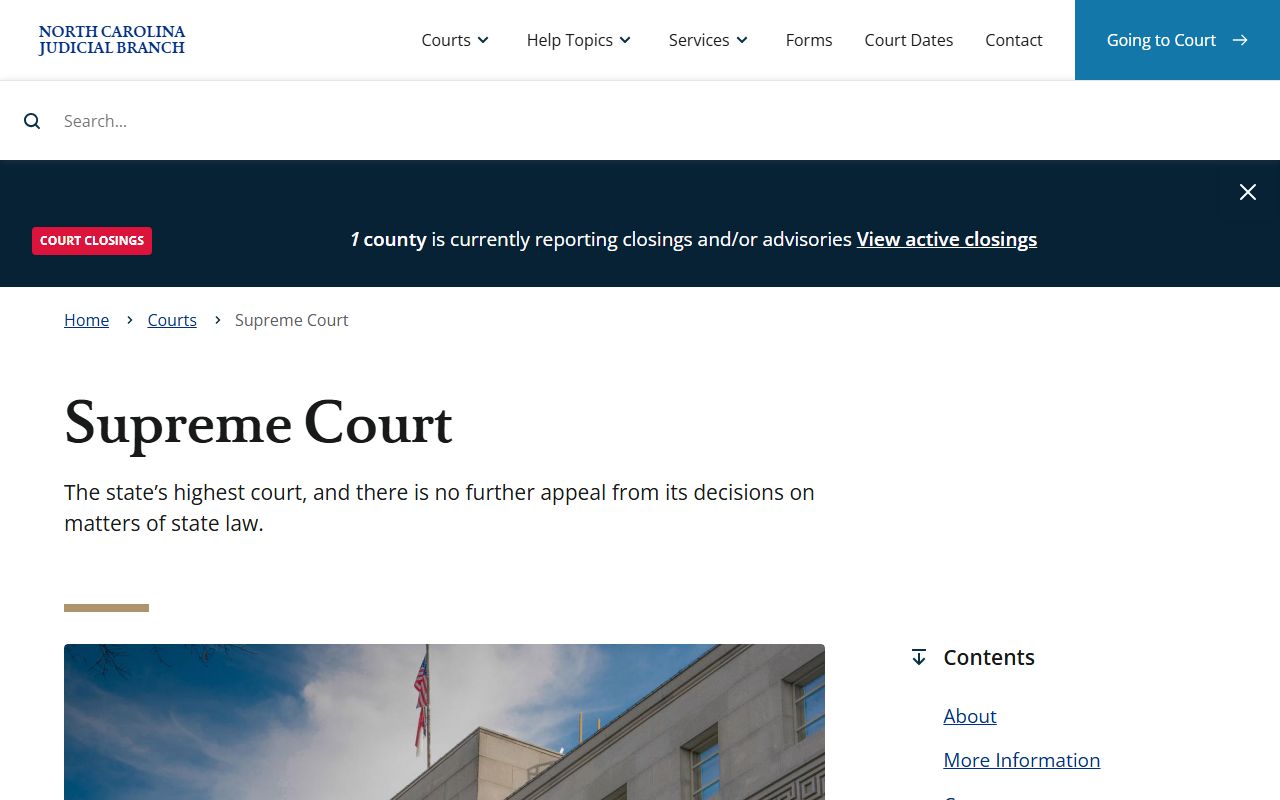
The highest state court is the Supreme Court of North Carolina. It takes discretionary review and certain direct appeals. Federal matters follow a separate path and are not heard in the state courts.
District Court and the Magistrate
District Court is the lower trial court. It hears misdemeanors, infractions, traffic cases, domestic matters, juvenile cases, and civil claims within set limits. The official District Court overview describes its statewide role.
Small claims begin in front of a magistrate, not a separate elected court. Magistrates handle small money claims, summary ejectment for landlord-tenant disputes, and certain criminal processes. A small claims decision can be appealed to District Court for a new hearing. Magistrates also set initial release conditions after an arrest, which is often a person's first contact with the court. For traffic matters, see the page on Guilford County traffic court records.
Note: a case can change courts as it moves, so check the current notice rather than assuming it stays in one court the whole time.
Searching Guilford County Superior Court Cases
Public Superior Court cases can be searched online for eCourts counties through the state portal. You can look up a case by number or party name. Set the location to Guilford County so the result does not pull from other counties. The court date search answers scheduling questions, while the full record shows filings, hearings, and the outcome.
Try the case number first, then the party name. A felony case number includes the year, a case-type code, and a sequence. If a name is common, add a date range to narrow the list. For certified copies or older files that are not online, the Clerk of Superior Court is the source. The page on Guilford County court dockets explains how to read hearing calendars.
Visiting a Guilford County Courthouse
Both Superior Court locations sit in busy areas. The Greensboro courthouse is downtown near South Eugene Street and West Washington Street, close to county offices and parking decks. The High Point courthouse is near central High Point streets. Allow time for security screening, which is expected at every entrance.
Weapons are not allowed inside. Check posted rules for phones, cameras, and recording before a hearing. Anyone who needs an interpreter or an ADA accommodation should ask the clerk or the Judicial Branch ahead of the court date. Confirm your courthouse on the official notice, because going to the wrong location can cause a missed appearance.